

The English countryside rewards travelers willing to trade a fixed itinerary for a slower pace. Dry stone walls stitched across hillsides, footpaths that cut through centuries old private estates, and a village pub that still functions as the true center of town: this is a landscape built for wandering, not for checking boxes. Pack a proper pair of boots and let the weather set the schedule.
The pull here is the range packed into a relatively compact country. Honey colored Cotswolds villages sit a few hours from wild Lake District fells, centuries old tithe barns have been reborn as serious farm to table restaurants, and grand Georgian and Elizabethan estates now operate as some of Europe’s most quietly excellent country house hotels. Whether the plan is a long weekend through Oxfordshire’s stone villages or a longer loop from Hampshire to the Yorkshire Dales, the countryside works best when the itinerary leaves room to slow down.
Need to know
Currency: England uses the British pound. Cards are accepted almost everywhere, though smaller village shops, farm stands, and market stalls can be cash only. Tipping in pubs usually means offering to buy the staff a drink rather than adding a percentage; in restaurants, 10 to 12.5 percent is standard if service is not already included.
Getting there: London Heathrow is the primary international gateway, with Gatwick handling a smaller share of transatlantic routes. Manchester is the more practical option for trips focused on the north, with direct service from several US cities.
Getting around: Trains reach deep into the countryside, and many of the best properties sit within a short transfer of a station. For a more flexible, hands off option, a private driver is worth arranging. Renting a car works too, but narrow lanes and left hand driving take some adjustment.
Best time to go: May, June, September, and October are the strongest windows, with blooming hedgerows and green countryside without peak summer crowds. July and August are busiest, especially in the Cotswolds. Winter brings short days and wetter weather, but also a quieter, more atmospheric countryside.
How long to stay: Two to three nights is enough for a focused visit built around one region. Five or six nights gives room to move between areas without rushing. We usually recommend building this into a longer UK trip rather than a standalone visit.
What to eat and drink: A proper Sunday roast, a ploughman’s lunch at a village pub, sticky toffee pudding, and a pint of cask conditioned real ale are the essentials. Look for English sparkling wine from Hampshire and Sussex, grown on the same chalk soils as Champagne, and dry farmhouse cider from the West Country.
What to wear: Practical layering suited to changeable weather: waterproof boots, a packable rain jacket, and a warm layer for evenings even in summer. Village exploring calls for a smart casual look; dinner at a country house hotel or Michelin starred restaurant usually calls for something a step up.
Where to stay
Greater London’s edge (Berkshire and Surrey): Just outside the city, this is the easiest introduction to English estate life, all ancient woodland and manicured parkland within an hour of central London. Coworth Park pairs a Georgian manor house with its own polo club, while Great Fosters, a moated 16th century Elizabethan estate, layers oak paneling and topiary gardens with a Michelin starred kitchen.
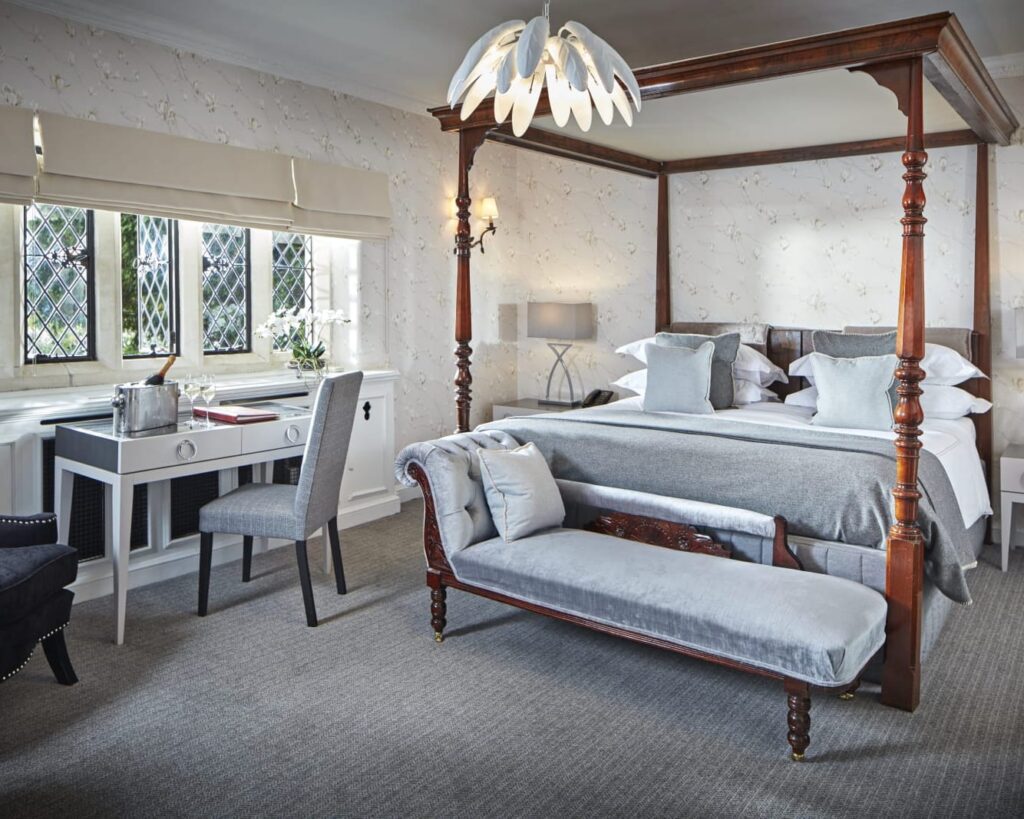
Southern England (Hampshire and Sussex): Chalk downland, working vineyards, and some of the country’s most storied estates make this an easy add on from London. Heckfield Place runs its own biodynamic farm behind a restored Georgian facade, and Chewton Glen’s treehouse suites, suspended in the New Forest canopy, are one of the more memorable ways to sleep in England. Gravetye Manor, an Elizabethan manor wrapped in the wild gardens designed by William Robinson, remains a pilgrimage for anyone who takes gardens seriously.
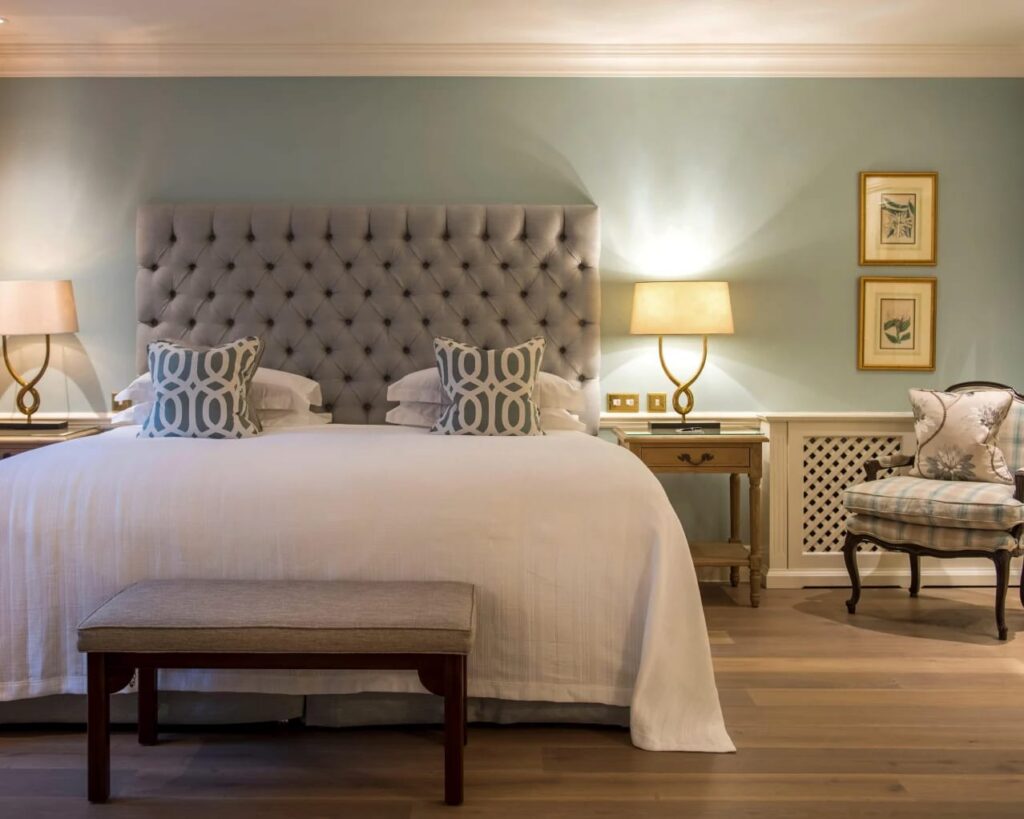
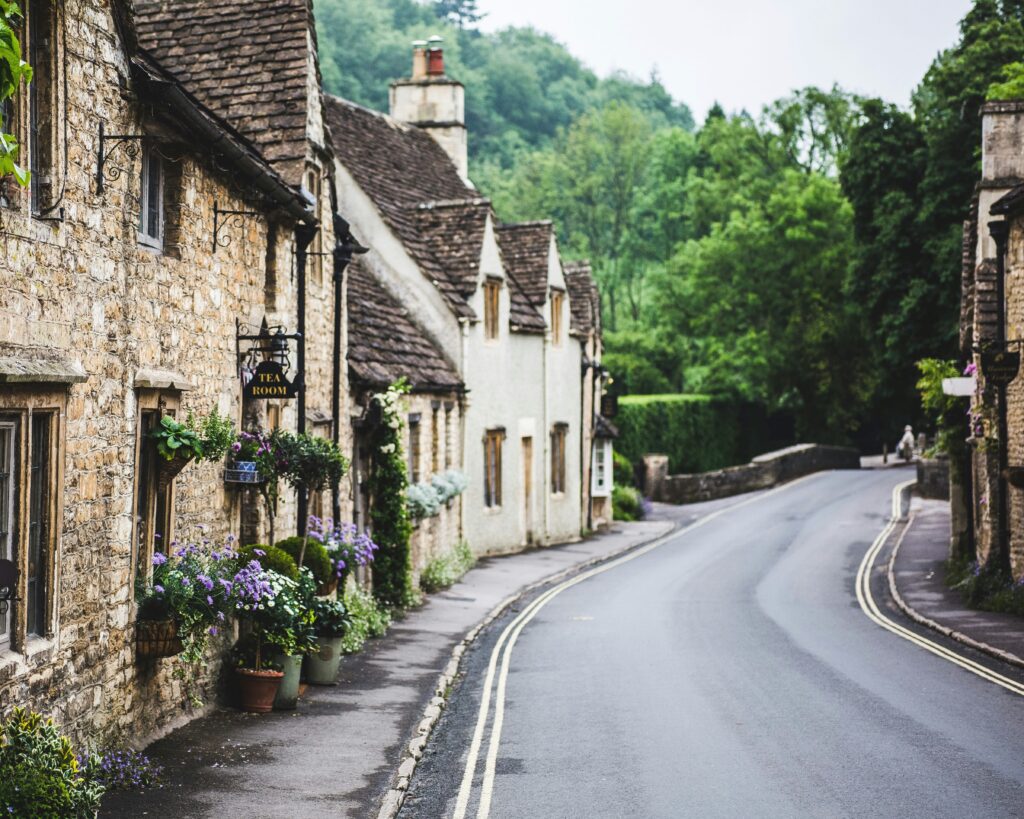
The Cotswolds: England’s most photographed countryside, all honey stone villages and wave like hills, but there is real substance behind the postcard. Thyme, a restored cluster of stone barns and cottages built around a working kitchen garden, functions as a village unto itself. In Bath, The Royal Crescent Hotel & Spa occupies the city’s most famous Georgian terrace, with a walled garden tucked behind the facade.
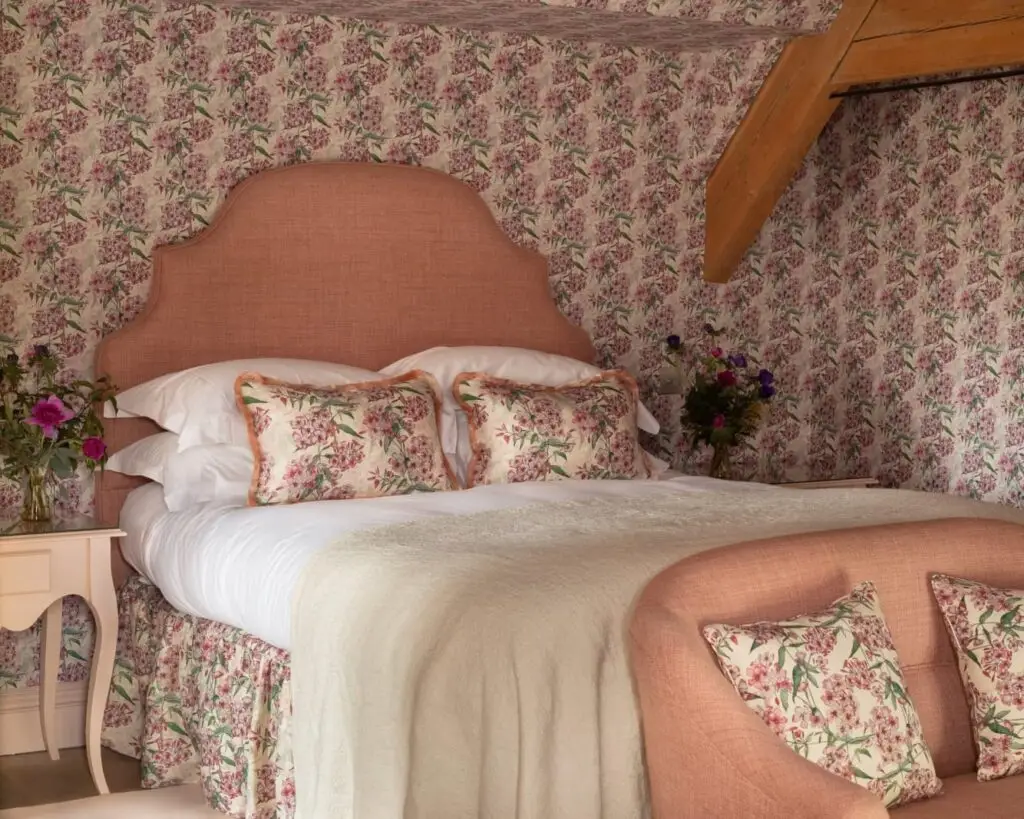
Southwest England: Dartmoor’s wild moorland, the fossil rich Jurassic Coast, and Cornwall’s rugged headlands give this region a maritime edge the rest of the countryside does not have. The Newt in Somerset centers on a Palladian limestone manor with working cider orchards and botanical gardens built for a full day of wandering.
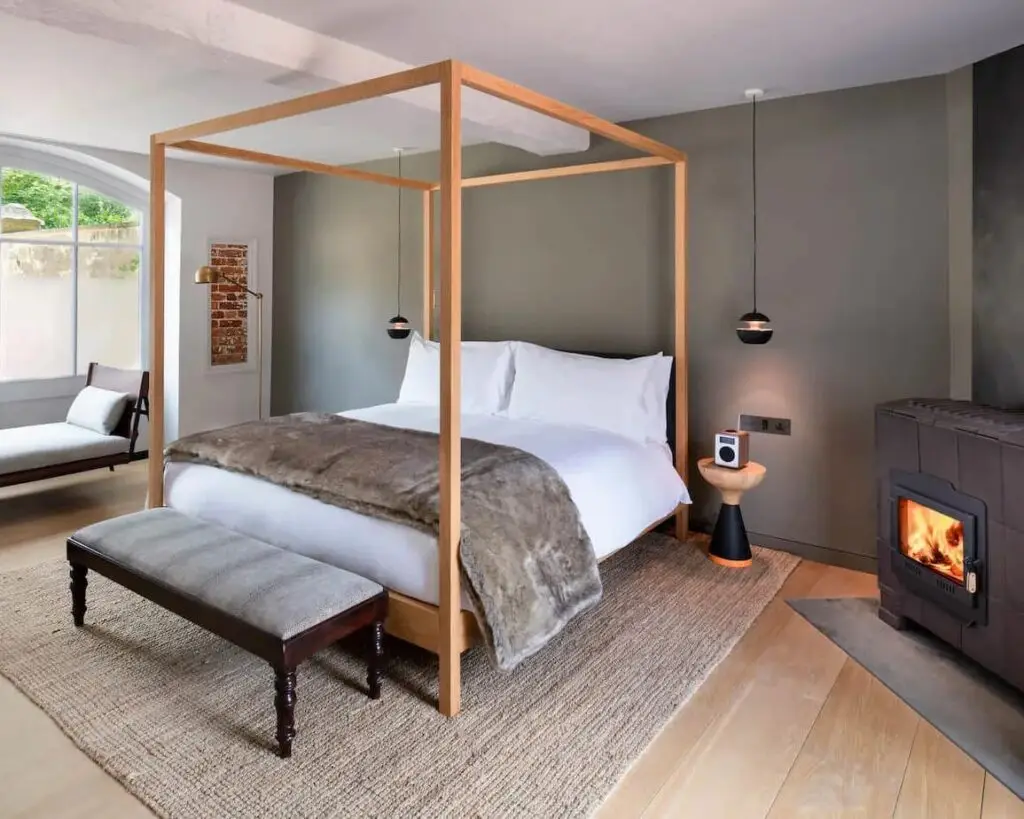
The Midlands: Home to Rutland, England’s smallest historic county, and the Peak District’s split personality of gentle White Peak hills and moodier, moorland Dark Peak. Hambleton Hall sits on its own peninsula over Rutland Water, pairing a wood paneled Victorian interior with a Michelin starred dining room.
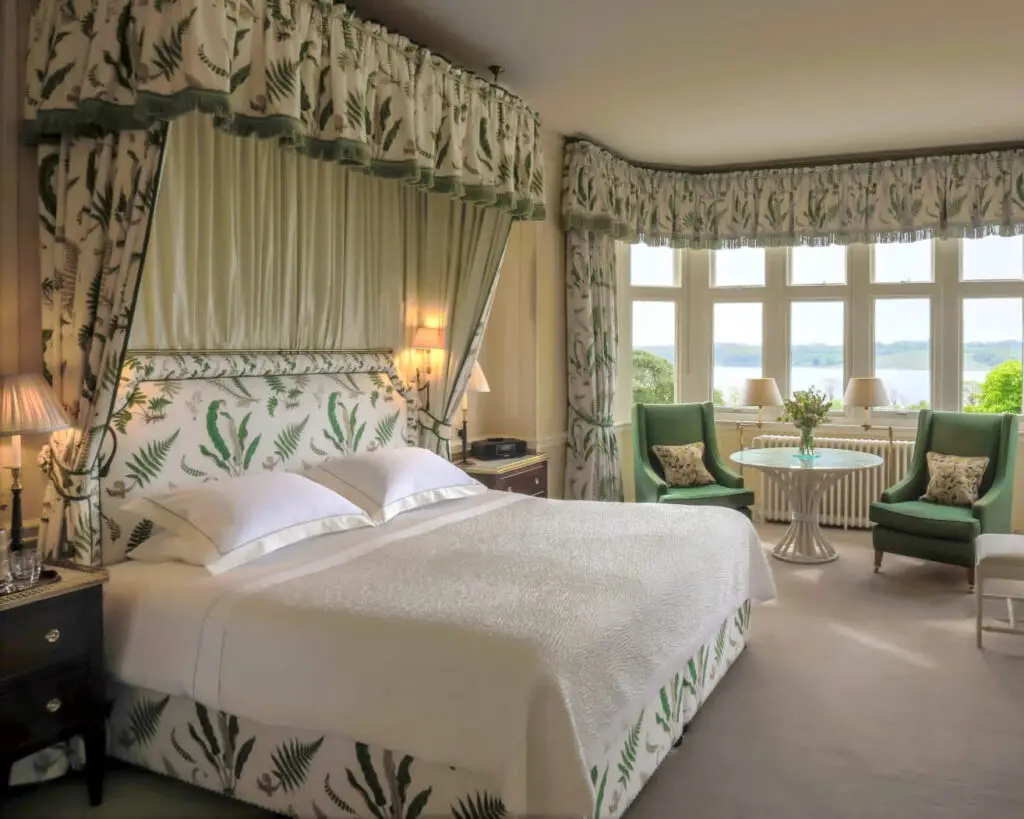
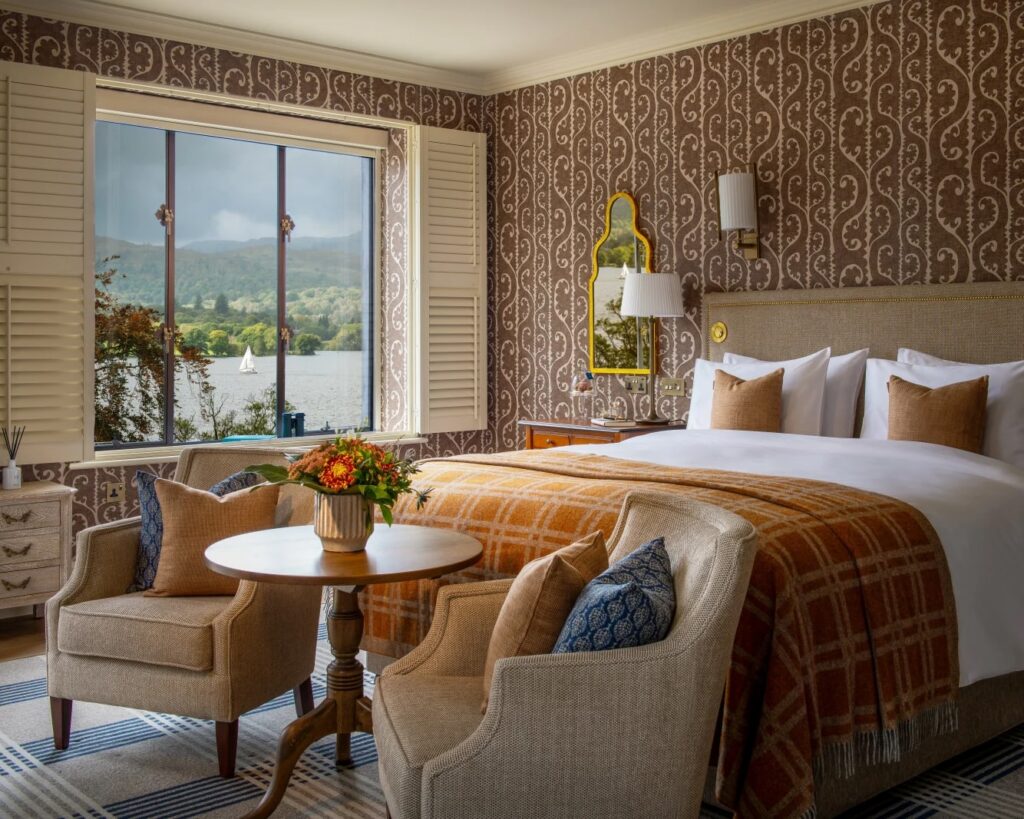
Northern England: The Lake District’s glacier carved lakes and the Yorkshire Dales’ dry stone walled valleys sit side by side, forming the wildest stretch of English countryside. Langdale Chase has stood over Lake Windermere since 1891, with a private jetty that puts the lake itself into the stay.
History and culture
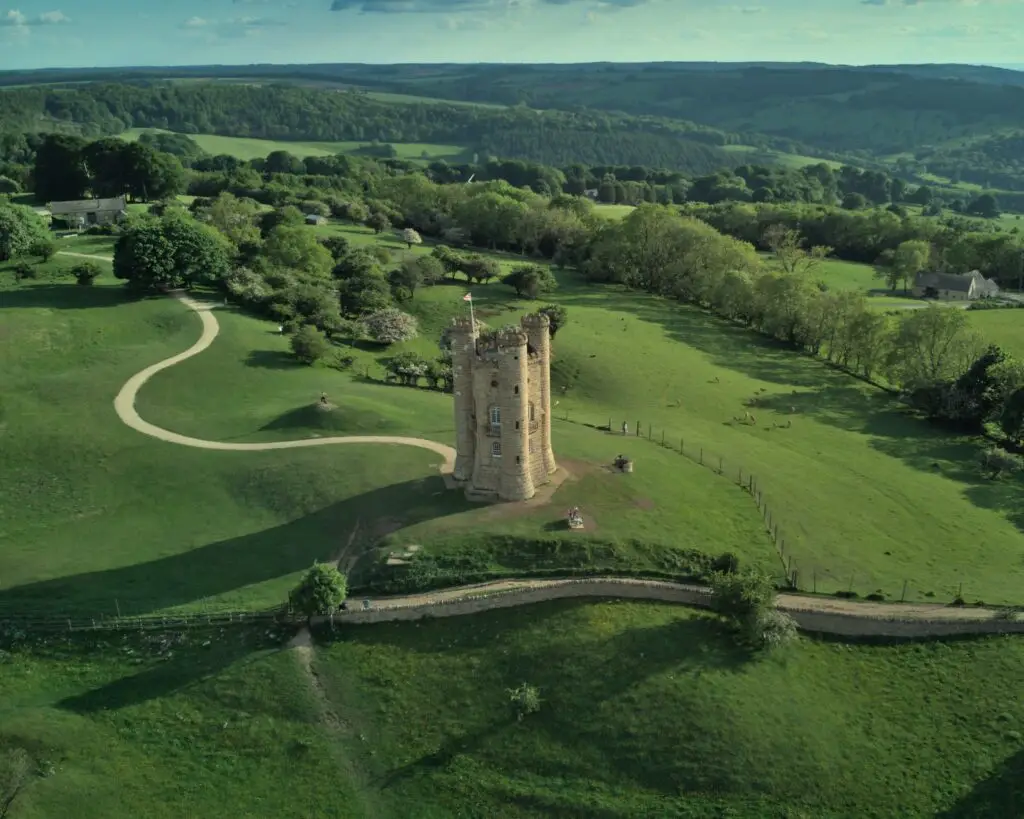
England’s countryside looks timeless, but almost none of it is accidental. The hedgerows, dry stone walls, and neat field boundaries were largely shaped by the Enclosure Acts of the 17th through 19th centuries, which converted common land into private estates and pushed rural communities off land they had farmed for generations. Older still are the Iron Age hill forts and burial mounds scattered across the landscape, with Stonehenge and Avebury the best known among many quieter sites.
The village church, market town, country house, and pub remain the institutions that have organized rural English life for centuries, and the country house in particular carries a complicated history. A considerable share of that grandeur was funded by colonial trade, a fact institutions like the National Trust have only recently begun addressing directly. It is worth holding both truths at once. The countryside is genuinely beautiful, and that beauty has a history worth understanding.
What to do
Walk a stretch of trail. England’s national trail network covers more than 2,500 miles, from the gentle Cotswold Way to high fell walking in the Lake District. Most routes are well marked enough that a single day covers real ground without a multi day commitment.
Tour a country estate. Blenheim Palace, Winston Churchill’s birthplace, anchors a 2,000 acre park in Oxfordshire. Sudeley Castle in the Cotswolds holds the tomb of Catherine Parr, the only private castle in England to contain a queen’s grave.
Visit an ancient site. Stonehenge and Avebury are the most visited prehistoric sites, but the countryside holds plenty of quieter ones for travelers willing to look.
Spend a day in a historic town. Bath’s Georgian architecture sits atop Britain’s only natural hot springs; Oxford’s colleges open their quads and chapels to visitors; York’s medieval walls still ring the city center.
Sit down for afternoon tea. Whether inside a country house hotel or a village tearoom, this is one English ritual worth taking seriously, with in house scones and a proper queue on a Sunday afternoon.
Get out on the water. Lake Windermere, England’s largest natural lake, is best seen from a boat. Langdale Chase runs its own private boathouse for guests who want to get onto the water directly from the hotel.
Where to eat
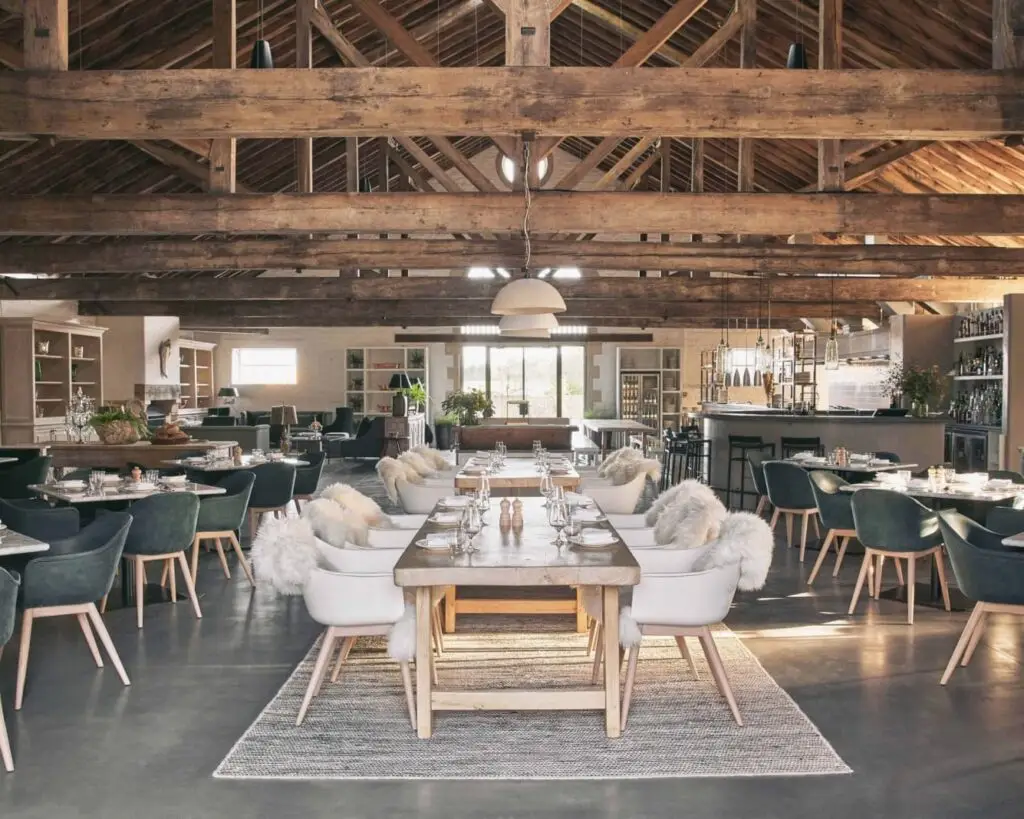
Dining here runs from crackling fire gastropubs to genuinely ambitious fine dining tucked behind centuries old brick and thatch. The Wild Rabbit in Kingham draws on the organic, foraged produce of the nearby Daylesford Estate. The Angel at Hetton, often credited as Britain’s original gastropub, holds a Michelin star in the Yorkshire Dales. Gravetye Manor’s kitchen pulls almost entirely from its own walled garden, and Thyme’s Ox Barn restaurant runs the same farm to table logic out of a restored 19th century barn.
Building out a longer trip
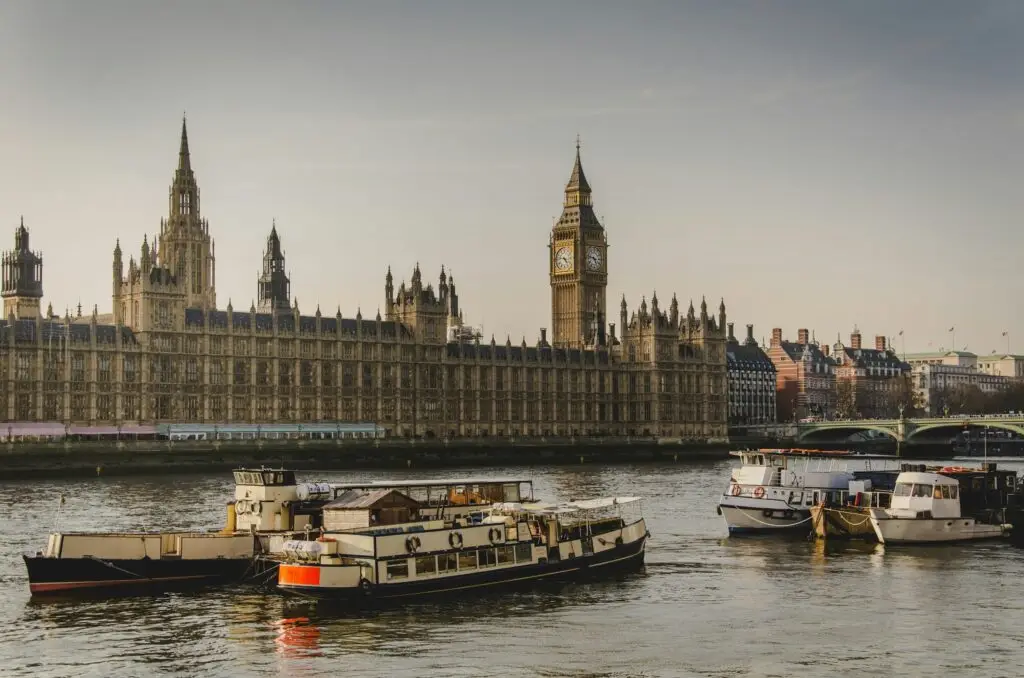
The countryside connects easily to the rest of the UK and mainland Europe. London is one to five hours away by train or car and easily absorbs two or three days on its own. Oxford and Cambridge both make strong day trips or short stays. Paris is a straightforward add on via a two and a half hour Eurostar journey from London, and Scotland, whether Edinburgh’s Old Town or the Highlands, is a natural next stop by a short flight or a longer train ride north.
Reach out if you’d like us to start building an itinerary. We’re happy to match the region, and the pace, to what you’re after.